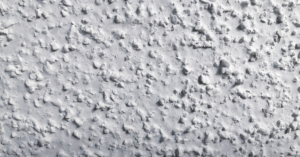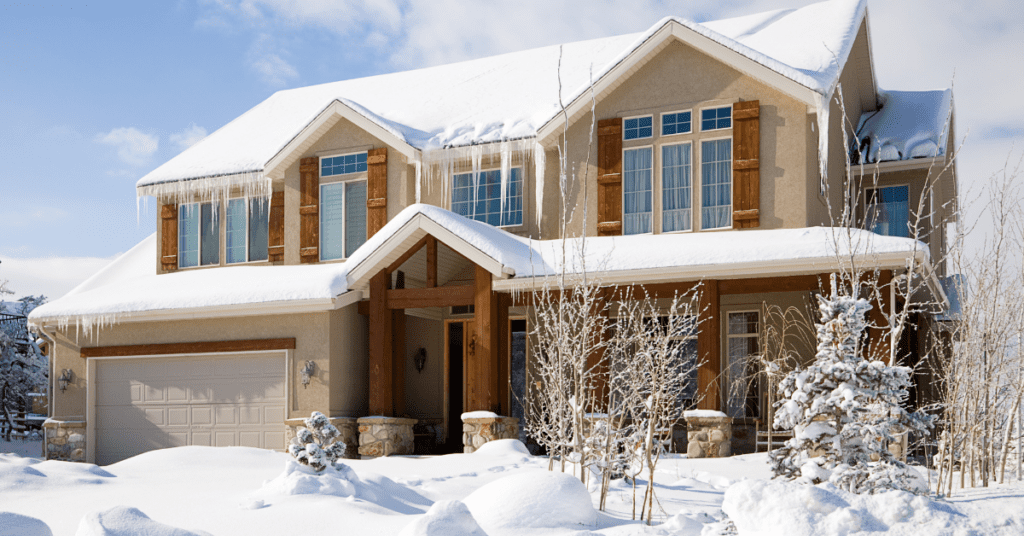
Winter weather can have a significant impact on stucco exteriors. From the freezing temperatures to the biting winds and precipitation, these climatic conditions can affect the integrity of your stucco siding. Yet, understanding how to care for and maintain your stucco exterior during these chilly months can effectively protect your home. This resourceful guide will delve into the impact of cold climates on stucco, the signs of weather damage, and offer insightful tips on the care and maintenance of your home’s stucco exterior.
The Effects of Winter Weather on Stucco Exteriors
While many may be apprehensive about stucco in colder regions, the truth is that stucco can fare well in these climates. The elasticity of stucco allows it to expand and contract with fluctuating temperatures, similar to other materials like wood and metal. However, the key factor that can spell trouble for your stucco is moisture. Maintaining your stucco in cold, dry conditions will ensure it withstands the winter weather.
Spotting Climate Damage
Frost and water damage can lead to costly repairs if left unattended. Here are some signs to watch out for:
1. Discoloration
Dark spots or patches on your stucco surface may indicate moisture infiltration. Look out for these around areas such as windows, doors and corners.

2. Efflorescence
The presence of a white powdery substance on your stucco surface is a clear sign of trapped moisture within.
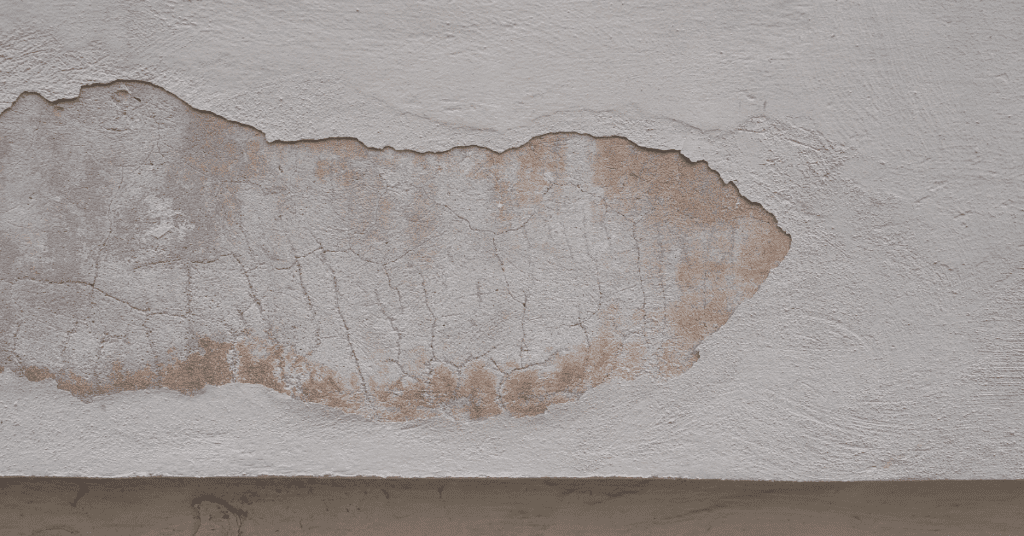
3. Cracks
While minor cracks can result from natural settling or temperature fluctuations, larger, expanding cracks can point to deeper moisture issues.

Lovepreet, an experienced Coquitlam patio cover contractor, emphasizes that installing a high-quality patio cover can significantly reduce the amount of moisture that comes into contact with your stucco. This protective measure helps prevent water infiltration and the subsequent damage it can cause during the winter months. “By shielding stucco surfaces from direct exposure to rain and snow, patio covers play a crucial role in maintaining the longevity and integrity of your home’s exterior,” he explains.
Winter Maintenance Check-ups for Stucco
Conducting regular maintenance checks on your stucco during winter can go a long way in preventing long term damage. Here’s how to do it:
1. Clean Your Stucco Regularly
Regular cleaning keeps stains and dirt at bay. Spot treatments for stains with dish soap, bleach, or TSP solution can also be done for more stubborn stains.
2. Monitor for Damage
Regularly check your stucco for signs of damage, such as cracks, efflorescence or discoloration, and address these promptly to prevent further damage. Identifying damage early is key to maintaining your stucco’s integrity. Familiarize yourself with the 5 Signs Your Stucco Needs Repairs to catch issues before they worsen.
For homes with older stucco that shows signs of wear, a detailed approach to repairs can make a difference. Reviving Your Home’s Facade: A Comprehensive Guide to Repairing Old Stucco offers in-depth strategies for restoring the beauty and integrity of your stucco.
Frequency of Winter Maintenance and Stucco Check-ups

You may wonder, how often should I conduct maintenance checks on my stucco during winter? Experts recommend inspecting your stucco every two years. Regular inspections will help identify minor problems before they escalate into more serious, costly repairs. While winter maintenance is crucial for preventing damage, sometimes repairs are inevitable. Understanding whether Is It Better to Repair or Replace Stucco? can help you make informed decisions about your home’s exterior care. Hiring professionals like All Painting for stucco inspections can be a wise decision as they are able to spot potential issues more effectively and execute proper stucco repairs if needed.
Conclusion
Winter weather certainly poses challenges for homeowners with stucco exteriors. However, with knowledge of how cold climates impact stucco siding, how to identify signs of damage, and understanding the necessary steps to protect and maintain stucco, homeowners can confidently thrive through the winter months. While winter poses unique challenges to stucco exteriors, preparing for all seasons is essential. For tips on caring for your stucco in warmer weather, consider our guide on Summer Maintenance Tips for Stucco. Regular inspections, effective maintenance, and prompt repairs will ensure your stucco exterior home stands strong and beautiful, regardless of the weather.

As the winter season approaches, ensuring your stucco exterior is well-maintained and protected against the harsh elements becomes paramount. Our team of skilled Maple Ridge painters, Langley painters, Richmond painters, New Westminster painters, West Vancouver painters, North Vancouver painters, Port Coquitlam painters, Coquitlam painters, Port Moody painters, Surrey painters, Burnaby painters, and Vancouver painters are ready to provide top-notch stucco care and maintenance services. Protect your home this winter and ensure it stands beautifully strong, no matter the weather. Contact us today to schedule your stucco maintenance or repair service.
Frequently Asked Questions
How does Vancouver’s winter weather affect stucco walls?
Vancouver’s winters bring prolonged rain, freeze-thaw cycles in higher elevations, and persistent dampness that all take a toll on stucco. Water penetrates hairline cracks and can cause spalling or delamination as it freezes and expands. The constant moisture also promotes mould and mildew growth on stucco surfaces throughout the Lower Mainland during the wet season.
Should I repair stucco cracks before winter in BC?
Yes. Repairing stucco cracks before BC’s wet season begins in October is strongly recommended. Even small hairline cracks allow water to penetrate behind the stucco, leading to freeze-thaw damage, wood rot in the wall sheathing, and mould growth. A professional stucco repair in early fall protects your home through the worst of the winter weather.
Can stucco be painted or repaired during winter in Vancouver?
Stucco painting and repair in Vancouver during winter is challenging but possible during dry stretches when temperatures stay above 10 degrees Celsius. Most professional painters avoid exterior stucco work from November through February due to persistent rain and low temperatures. The best time for stucco maintenance in the Lower Mainland is between May and October when conditions allow proper curing.
How do I protect stucco from moisture damage in the Lower Mainland?
Protecting stucco in the Lower Mainland starts with maintaining all caulking around windows and doors, ensuring proper flashing at roof-to-wall transitions, and keeping gutters clear and functional. Applying a high-quality breathable elastomeric coating provides a waterproof barrier while allowing trapped moisture to escape. Regular inspections, especially after heavy storms, catch small issues before they become major repairs.
What are signs that stucco needs repair on a BC home?
Warning signs include visible cracks wider than a hairline, bulging or soft spots indicating delamination, dark staining that suggests moisture intrusion, crumbling at edges or corners, and gaps where stucco meets window or door frames. If you notice any of these on your BC home, schedule a professional inspection promptly to prevent water from reaching the building envelope.
Need a Professional Painter?
Contact All Painting Ltd. for a free, no-obligation estimate.