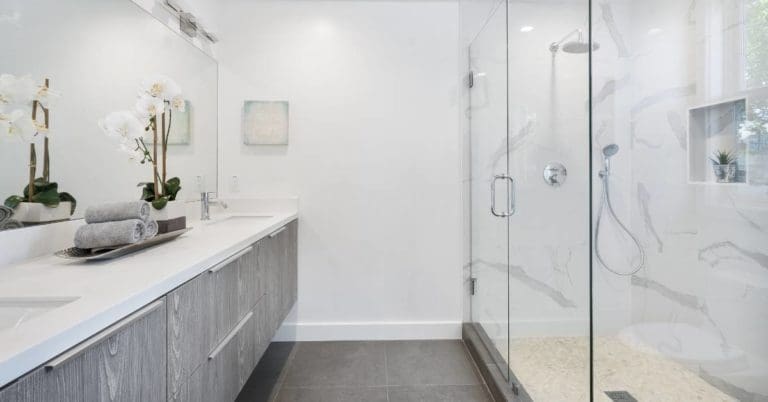
When it comes to painting a bathroom, the most important thing to consider is moisture resistance. Bathrooms are high moisture areas, with frequent use of showers and baths, and constant humidity from showers and baths. For this reason, it’s important to choose an interior paint that can withstand the moisture and not peel or blister.
Jason Smith, appliance repair technician in Burnaby, says most bathroom paint failures come from weak exhaust fans. Do a quick tissue test—door closed, fan on; if the tissue won’t stick to the grille, airflow is poor. Clean the grille, ensure the damper opens, and confirm the duct vents outside; in small baths, use a humidity-sensing fan or switch. Near sweat-prone fixtures (toilet tanks, bidet seats), use a mildew-resistant primer and a scrubbable, bath-rated latex to prevent peeling.
Before deciding which type of paint to use, it’s important to understand the different types of interior paint available.
So, Latex Paint Or Oil-Based Paint?
Latex paint is the most popular choice for painting bathrooms because it is water-based and is resistant to moisture. It dries quickly and has low odor during application, making it a good choice for a bathroom. Additionally, it is easy to clean and can be washed with mild soap and water.
Oil-based paint is another option, but it is not recommended for bathrooms. Oil-based paint takes a long time to dry, has a strong odor during application, and is not as moisture resistant as latex paint. It also is harder to clean and not as easy to touch up.
Overall, Latex paint is the most suitable type of paint to use in a bathroom.
How do you know if your walls are primed properly for painting?
Preparation is key when it comes to painting, especially when painting high moisture areas like bathrooms. Skipping the prep work can lead to less than ideal results. Properly priming your bathroom walls before painting is an important step to ensure that your paint will adhere correctly and last longer. If your walls are not primed, paint can soak into the wall and become uneven, resulting in a poor finish.
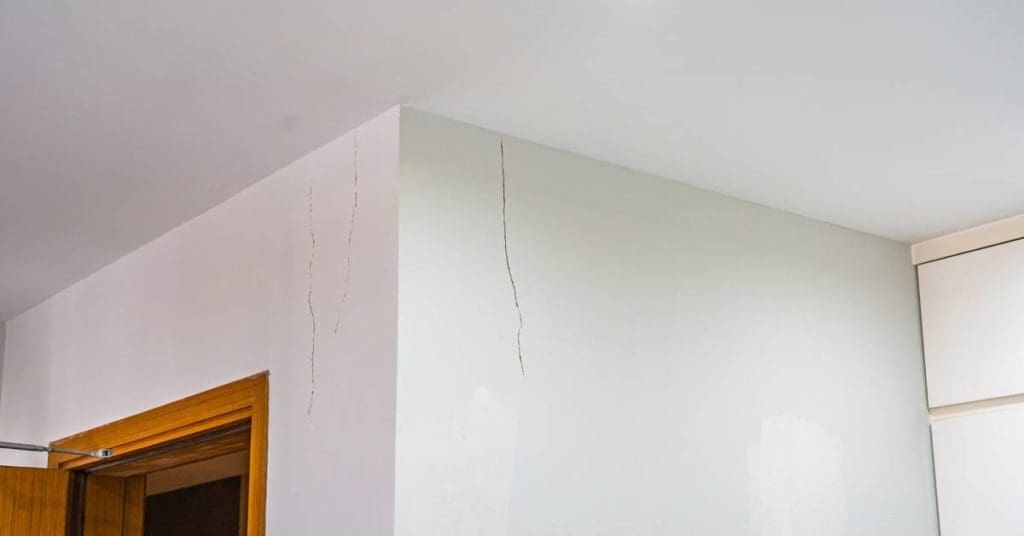
To determine if your walls are primed properly, you should first check for any stains, holes, or cracks that need to be filled. Then, check for any areas that may have been previously painted. If the previous paint is peeling or chipped, it may be necessary to remove the paint before priming the walls.
If you are unsure about the condition of your walls or whether they have been primed, it is best to seek the advice of a professional. Choosing the right professional for your painting project is also crucial, and knowing how to identify a well-done painting job can help ensure you get your money’s worth.
What kind of finish for bathroom walls – matte, semi-gloss, or gloss?
The finish you choose will depend on your personal taste and the look you’re trying to achieve. If you’re unsure, it might be a good idea to test out different paint colours and finishes before making a final decision. The finish of your paint can greatly impact the overall look of your bathroom. Each finish has its own advantages and disadvantages, so it’s important to choose the one that best suits your needs.
Matte finish paint is a good option for bathroom walls because it is less reflective than gloss or semi-gloss finishes. This makes it less likely to show flaws or imperfections on the walls. Matte paint is also good for hiding imperfections in older walls and is more resistant to fading than gloss paint.
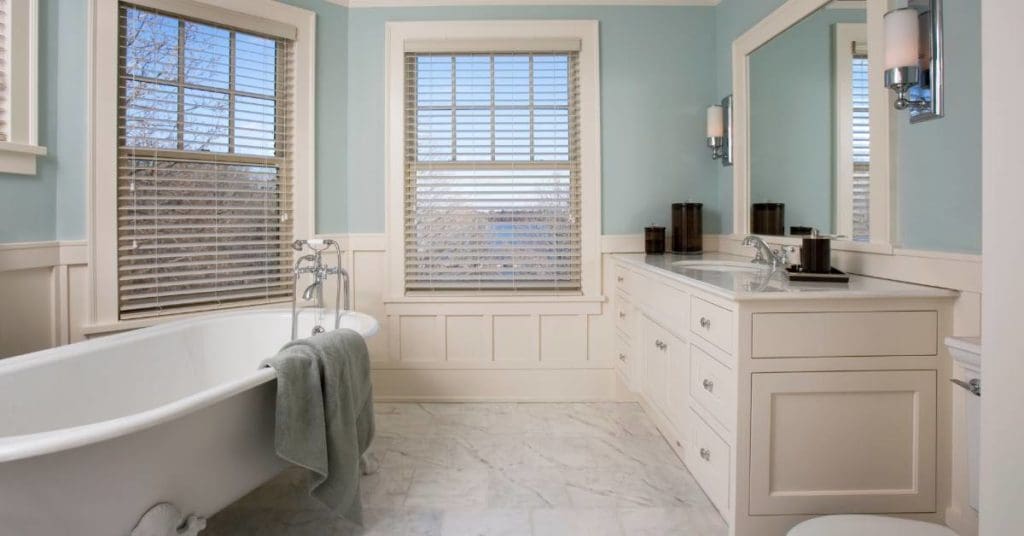
Semi-gloss paint is a good option if you want a more durable finish. This type of paint is resistant to moisture, making it a great choice for high moisture areas like a bathroom. It is also easier to clean than matte paint.
Gloss paint is the most reflective and gives a high-shine finish. It is not ideal for bathroom walls because it’s hard to touch up, it could show every imperfection on the wall and it will be difficult to keep the wall clean.
In summary, if you want to a classic or traditional look in bathroom matte finish will be the best. If you want a more modern and sleek look, semi-gloss will be the best. And gloss paint is not recommended for bathrooms.
How many coats of paint should you apply?
The number of coats will also affect how long the painting project will take. For best results, it is recommended to apply two coats of paint to the bathroom walls. The first coat should be applied to prime the walls and ensure that the paint will adhere correctly. The second coat should be applied to provide full coverage and to achieve the desired color. It’s important to allow the first coat to dry completely.
Should you use a primer before painting the bathroom walls and ceiling?
Using a primer before painting is essential for achieving the best results in a bathroom. Primers are designed to seal the surface of the walls and provide a smooth surface for the paint to adhere to. Additionally, primers are also designed to fill in any small cracks or imperfections in the walls, which will result in a smoother finish.
Primers also play a role in increasing the durability of the paint, especially when the walls are exposed to high humidity, moisture, and steam. A primer will act as a barrier between the wall and the paint, preventing the paint from peeling or blistering.
When choosing a primer, it’s important to select one that is water-resistant, mildew resistant and able to bond well with the paint you have chosen. This will ensure that the primer will provide the maximum benefits and ensure a long-lasting finish. Once you’ve completed your bathroom painting project, you may be wondering how long before you can use your freshly painted bathroom.
When it comes to painting a bathroom, moisture resistance is key. Latex paint is the best choice because it is water-based and resistant to moisture. Properly priming your bathroom walls before painting is an important step to ensure that your paint will adhere correctly and last longer.
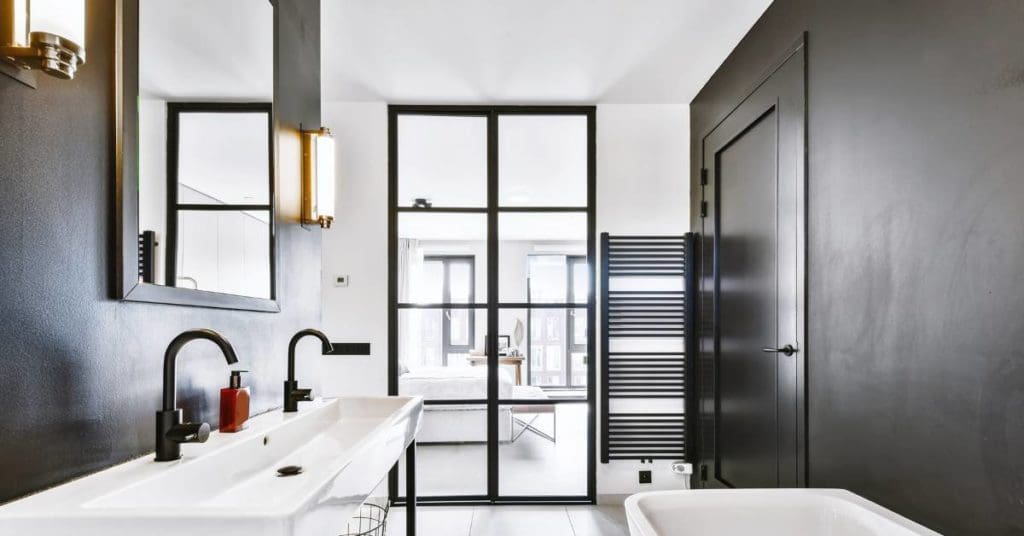
It is recommend using matte or semi-gloss finish in bathroom depending on the desired look, apply at least 2 coats of paint and using a primer that is water-resistant, mildew resistant and able to bond well with the paint to ensure the best results.
If you’re planning to repaint your bathroom and need a professional hand, we have experienced teams across multiple locations ready to serve you. Whether you’re in Maple Ridge painters, Langley painters, Richmond painters, New Westminster painters, West Vancouver painters, North Vancouver painters, Port Coquitlam painters, Coquitlam painters, Port Moody painters, Surrey painters, Burnaby painters, or Vancouver painters, our skilled painters are just a call away. Don’t wait to transform your bathroom into a beautiful, moisture-resistant oasis. Contact us today and let our team bring your vision to life.
Related Articles:
- How Often Should I Paint My House and Why?
- Should I Power Wash My House Before Painting It?
- When Painting, Should You Paint Trim or Walls First?
Frequently Asked Questions
What is the best paint finish for bathrooms?
Semi-gloss is the best all-around paint finish for bathrooms. It resists moisture, repels mildew growth, and is easy to wipe clean. Satin is also an acceptable choice for larger bathroom walls where you want a less shiny appearance while still maintaining good moisture resistance. Flat and matte finishes should be avoided in bathrooms entirely because they absorb moisture, stain easily, and promote mould growth. For ceilings in bathrooms with showers or bathtubs, use at least a satin finish to prevent condensation damage.
What are the best mould-resistant paint brands for bathrooms in Vancouver?
In the Greater Vancouver area, the top-performing mould-resistant bathroom paints are Benjamin Moore Aura Bath and Spa, Sherwin-Williams Duration Home, and Zinsser Perma-White. These products contain built-in antimicrobial additives that actively inhibit mould and mildew growth on the paint film. Benjamin Moore Aura Bath and Spa is particularly well-suited to Vancouver’s humid climate because it is specifically formulated for high-moisture environments and provides excellent colour retention. For severe moisture situations, applying a mould-killing primer like Zinsser Mold Killing Primer before your topcoat provides an extra layer of protection.
Do I need special paint for shower areas and directly around the bathtub?
Yes. Areas that receive direct water splash from showers and bathtubs need paint that can handle repeated wet-dry cycles. A high-quality semi-gloss or high-gloss paint with mould-resistant additives is essential for these zones. Some homeowners opt for epoxy-based or urethane-modified paints on surfaces directly adjacent to the shower for maximum water resistance. However, paint alone is not a waterproofing membrane. If the underlying drywall is not moisture-rated greenboard or cement board, no amount of good paint will prevent eventual damage. A professional painter will flag these substrate issues during the quoting process.
Should I use semi-gloss or satin paint in my bathroom?
For most bathrooms in Vancouver homes, semi-gloss is the safer and more durable choice, especially in smaller bathrooms with showers where humidity levels spike frequently. Semi-gloss provides superior moisture resistance and is easier to clean. Satin works well for larger bathrooms, powder rooms, or half-baths where moisture levels are lower and you prefer a softer, more modern look. Many professional painters recommend a practical compromise: semi-gloss on the ceiling and on walls closest to the shower or tub, and satin on the remaining walls. This gives you the best moisture protection where it matters most without the high-sheen look on every surface.
How do I prevent mould on bathroom walls in Vancouver’s humid climate?
Preventing bathroom mould in the Greater Vancouver area requires a combination of proper paint selection, ventilation, and maintenance. Use mould-resistant paint with antimicrobial additives, and always prime bare surfaces with a mould-inhibiting primer before painting. Ensure your bathroom exhaust fan is rated for the room size, typically 50 CFM minimum, and run it for at least 20 minutes after every shower. Keep the bathroom door open when not in use to promote air circulation. Wipe down wet surfaces regularly and fix any leaks or dripping fixtures immediately. Even with the best paint, chronic moisture problems from poor ventilation will eventually lead to mould growth.